The Salt Typhoon Infiltration: Deconstructing How Advanced Threat Actors Breached Global Telecom Backbones and Lawful Intercept Portals
A sweeping investigation into the Salt Typhoon cyber espionage campaign reveals how advanced threat actors compromised major telecommunications providers, gaining persistent access to lawful wiretap infrastructure and carrier-grade core routers.
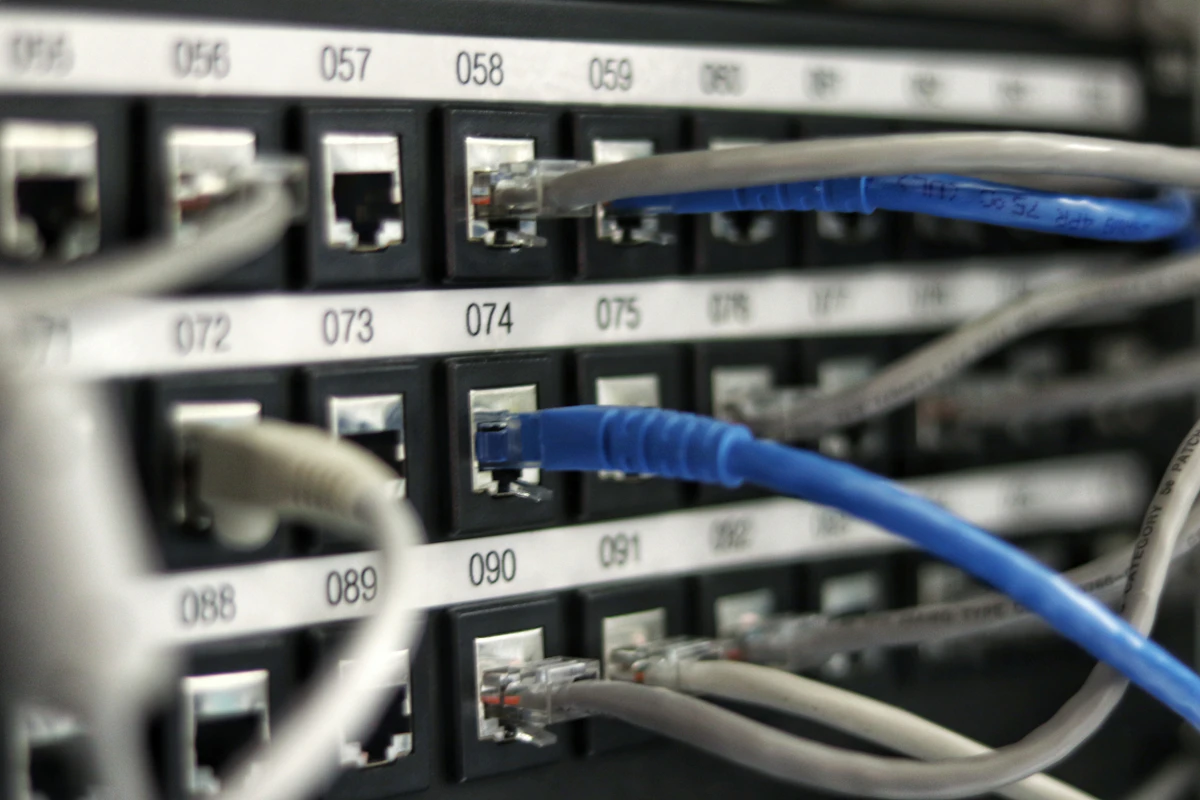
Federal investigators trace persistent nation-state footholds inside carrier core routing hardware and wiretap management planes.
Federal cybersecurity agencies and major communications providers are grappling with what intelligence analysts describe as the most brazen infrastructure espionage breach of the past decade. The intrusion cluster, tracked by Microsoft and CISA under the designation Salt Typhoon (also known as FamousSparrow and GhostEmperor variants), successfully compromised multiple Tier-1 telecommunications carriers, establishing deep persistence within internal routing infrastructure and lawful intercept systems.
Weaponizing the Management Plane: Cisco and Juniper Core Exploitation
Unlike typical enterprise compromises that originate via employee phishing and pivot through Active Directory, Salt Typhoon operators demonstrated deep domain expertise in carrier-grade telecommunications equipment. Forensic telemetry indicates attackers gained initial access through zero-day vulnerabilities and unpatched firmware interfaces on border gateway routers, specifically targeting Cisco IOS XE and Juniper Junos devices.
Once inside the management VLAN, the operators deployed custom, low-footprint implants that altered routing tables, mirrored raw voice packet streams (RTP), and silently exfiltrated metadata regarding targeted subscribers without triggering SNMP telemetry alarms.
Architectural Lessons: Why Network Segmentation Failed
The severity of the Salt Typhoon incident exposes deep structural vulnerabilities in modern carrier architectures:
- Over-Reliance on Perimeter Isolation: Out-of-band management networks were frequently linked to internal corporate subnets for engineering convenience, allowing attackers to pivot across administrative barriers.
- Cryptographic Blind Spots: Internal signaling traffic, including SS7 and Diameter routing headers between telco core nodes, lacked cryptographic mutual authentication (mTLS).
- Firmware Integrity Blindness: Legacy edge routers lack hardware-rooted Secure Boot and remote attestation, allowing malicious bootloader modifications to survive standard software reboots.
Hardening Carrier Workloads in 2026
In response to emergency CISA directives, infrastructure engineering teams are accelerating the adoption of cryptographic zero-trust architectures across core network backbones. Crucially, this requires moving away from shared credentials and static VLAN routing toward hardware-attested cryptographic workload identities (SPIFFE/SPIRE), out-of-band telemetry verification, and end-to-end encrypted packet payloads that prevent interception even when physical core switches are compromised.
The "php2shell" Emergency: Unpacking the Critical Unauthenticated RCE Flaws in Core PHP Memory Management
Next Dispatch →Apple Finally Brings Touchscreens to the MacBook Pro
Discussion (0)
Technical commentaryLeave a Reply
No comments yet. Be the first to share your thoughts!