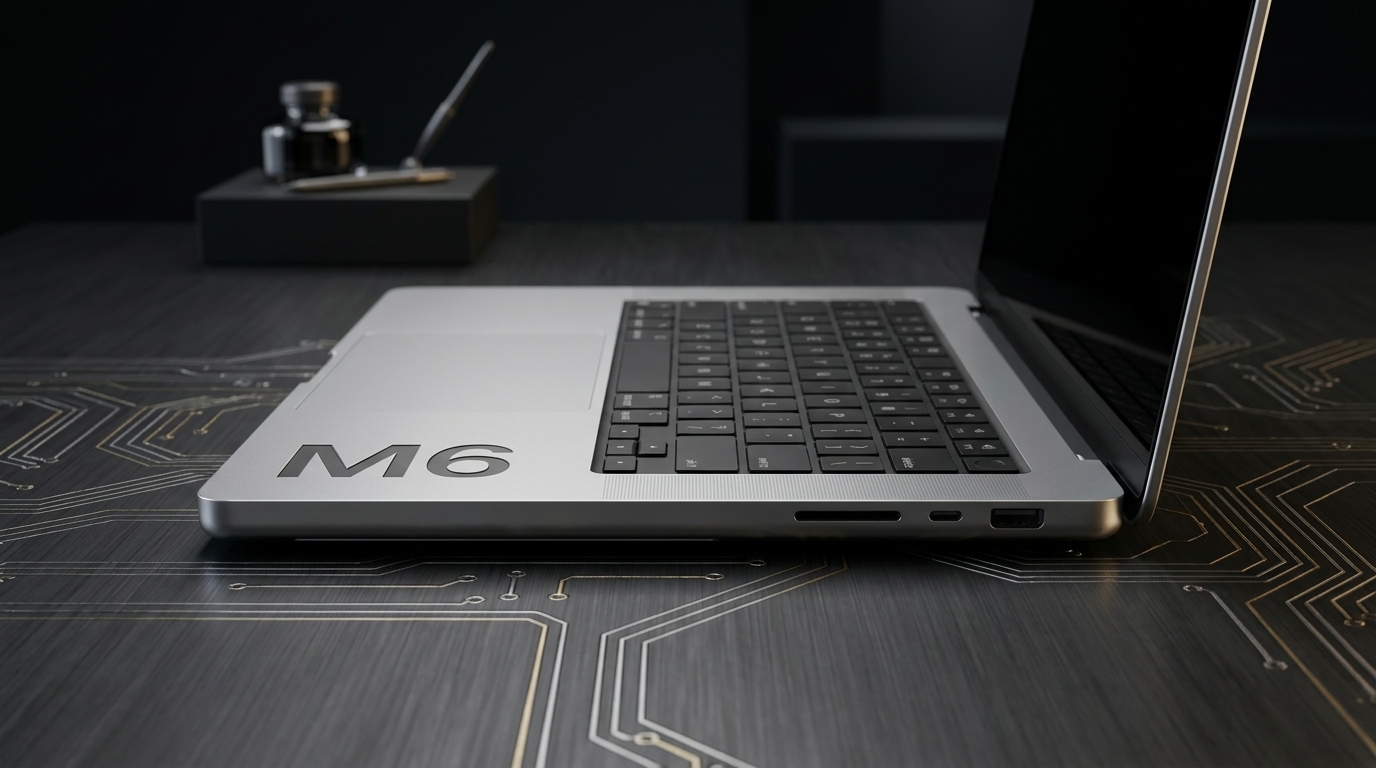
Apple Finally Brings Touchscreens to the MacBook Pro
Apple has finally introduced a touchscreen MacBook Pro, bringing direct screen interaction to its professional laptop lineup. The new 14-inch and 16-inch models feature tandem OLED displays, M5 Pro and M5 Max chips, and support for touch-enabled creative and productivity apps. With prices starting at $2,899, the launch marks a major shift in Apple's approach to laptop design.
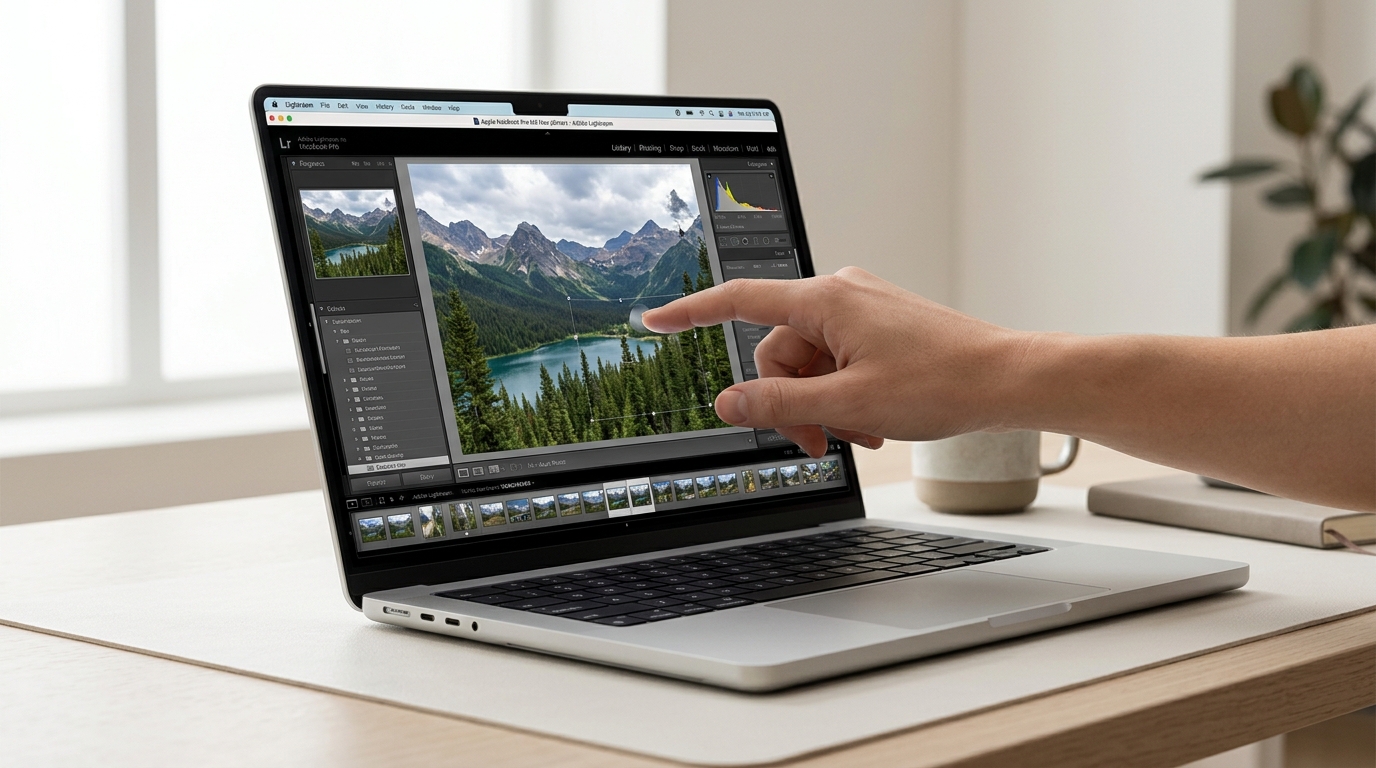
Apple is making a major change to the MacBook Pro by introducing touchscreen functionality for the first time. The new laptops combine touch-enabled displays with upgraded performance, giving creative professionals and other demanding users another way to interact with their work.
The announcement marks a significant shift for Apple, which has resisted adding touchscreens to its Mac laptops for years. The company previously experimented with touch interaction through the Touch Bar, a narrow display strip introduced on some MacBook Pro models before it was eventually discontinued.
Now, Apple is taking a much bigger step by allowing users to interact directly with the main display.
A touchscreen built for professional work
The new MacBook Pro features Apple's PROLED XDR display, which uses tandem OLED technology to deliver high contrast, vivid colors, and improved image quality. The laptop will be available in 14-inch and 16-inch sizes.
The display supports peak brightness of up to 2,000 nits and a 120Hz variable refresh rate. Apple says it is designed to deliver detailed visuals and strong color accuracy for demanding creative work.
Touch controls will let users scroll through websites, zoom in on images, move content between applications, and arrange windows with gestures. For creative professionals, the possibilities extend further. Designers can work directly on the display, musicians can interact with virtual instruments, and developers can test touch-based experiences for their apps.
The touchscreen is designed to work alongside the familiar keyboard and trackpad rather than replace them. Apple has also redesigned the hinge to make the display more stable when users touch it.
More power for demanding tasks
The new models are available with Apple's M5 Pro and M5 Max chips. Configurations can include up to 128GB of unified memory and as much as 16TB of storage.
That combination is aimed at users who need substantial computing power for tasks such as video editing, software development, 3D modeling, animation, and other resource-intensive workflows.
Apple has also redesigned the laptop's audio system, adding a six-speaker setup intended to deliver clearer sound and deeper bass. Connectivity includes three Thunderbolt 5 ports, HDMI, an SDXC card slot, MagSafe charging, and a headphone jack.
Depending on the selected chip, users can connect up to three or four external displays. The new models also feature a 12-megapixel Center Stage camera for video calls.
Touch support across popular apps
Apple is positioning the touchscreen as a practical addition to existing workflows, not simply a new hardware feature.
Its own applications are being optimized for touch, while many existing Mac apps can respond to screen touches through macOS. Developers can also use updated system gesture tools to build interfaces specifically for touchscreen interaction.
The company highlighted several third-party applications expected to take advantage of the feature, including productivity tools such as Microsoft Word, Excel, PowerPoint, Outlook, and Notion. Creative software such as Adobe Lightroom, DaVinci Resolve, Blender, and Cinema 4D is also part of the lineup.
This could make the touchscreen particularly useful for people who regularly switch between traditional computer controls and the more direct interaction commonly found on tablets.
A premium price for a major change
The 14-inch touchscreen MacBook Pro starts at $2,899, while the 16-inch model starts at $3,399. Preorders opened on October 28, with availability scheduled to begin on November 6.
The price places the new laptops firmly in the premium category. Buyers will need to decide whether the improved display, added touch controls, and upgraded hardware justify the additional cost for their particular workloads.
The launch also comes shortly after Apple introduced a separate 14-inch MacBook Pro with an M6 chip, starting at $1,999. That model offers another option for customers who want a new MacBook Pro without paying for the touchscreen version.
Apple changes direction on touchscreen Macs
For years, Apple executives questioned whether touchscreens belonged on traditional laptops. The company argued that direct touch was less comfortable on a vertically positioned laptop screen than on a tablet.
The new MacBook Pro suggests Apple believes the technology and its approach to laptop design have reached a point where touch can be useful without compromising the established Mac experience.
The move also reflects how people now work across laptops, phones, and tablets, often expecting similar ways to interact with content on each device.
Whether touchscreen controls become essential to the MacBook Pro experience remains to be seen. For now, Apple is giving its professional laptop lineup a new capability while keeping the keyboard, trackpad, and traditional macOS workflow at the center of the experience.
For users who spend their days editing images, producing videos, developing software, or working across multiple creative applications, the biggest question is simple: will touching the screen make everyday work meaningfully easier?
Apple's latest MacBook Pro puts that question directly in front of its customers.
The Salt Typhoon Infiltration: Deconstructing How Advanced Threat Actors Breached Global Telecom Backbones and Lawful Intercept Portals
Next Dispatch →Apple Launches M6 MacBook Pro With Faster Performance and 24-Hour Battery Life
Discussion (0)
Technical commentaryLeave a Reply
No comments yet. Be the first to share your thoughts!