SEO Is Changing: How AI Search Is Reshaping the Way Customers Find Businesses
AI-powered search is changing how customers discover businesses online. From Google's AI Overviews to ChatGPT and Perplexity, companies must rethink how they approach SEO, content creation and digital visibility. Discover why traditional SEO still matters and how businesses can adapt to the future of search.
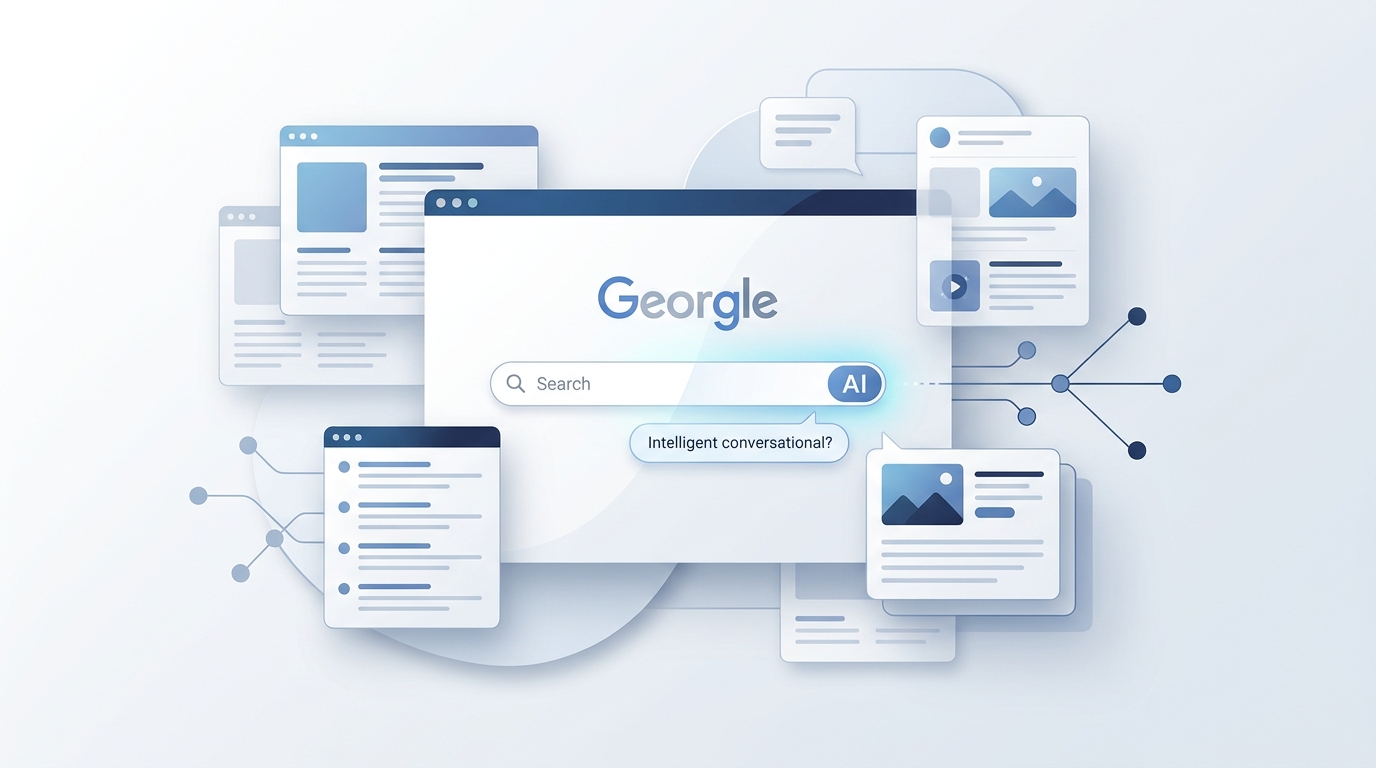
For years, businesses have relied on search engine optimization (SEO) to help potential customers discover their websites. The strategy was familiar: identify relevant keywords, publish useful content, improve website performance, earn quality backlinks and work toward higher positions on Google.
That approach still matters. However, the way people search for information is changing.
Instead of relying exclusively on traditional search engines, consumers are increasingly turning to AI-powered platforms such as ChatGPT, Google's AI Overviews, Google AI Mode, Perplexity and other conversational search tools to research products, compare services and find answers.
This shift is creating a new challenge for businesses. Ranking on a search results page is no longer the only way to become visible online. Brands also need to consider whether their content is clear, credible and useful enough to be referenced in AI-generated answers.
SEO is not disappearing. It is expanding into a more complex search environment where visibility, relevance and trust matter across multiple platforms.
Search Is Moving Beyond Traditional Google Results
Traditional search usually begins with a user entering a keyword or short phrase into a search engine. The platform then presents a list of relevant websites, advertisements, maps, images and other results.
AI-powered search introduces a different experience.
A user can now ask a detailed question, explain a particular situation or request a comparison between several products. Instead of simply presenting a list of links, an AI system may generate a response that combines information from multiple sources and provides links for further reading.
For example, someone looking for a website development company might previously have searched for "web development companies near me."
Today, that person could ask an AI assistant:
"What should I look for when choosing a reliable website development company for a small business?"
The AI tool may explain important selection criteria, compare options and reference websites it considers relevant.
This changes the discovery process. Businesses must think about the questions potential customers ask, the information they need and the sources AI systems might use when generating answers.
AI Search Is Creating a New Visibility Challenge
One of the most significant developments in modern SEO is the growing importance of AI-generated search responses.
Google's AI Overviews and AI Mode can provide summarized information directly within the search experience. Other platforms, including ChatGPT and Perplexity, can also help users research topics without requiring them to visit several websites individually.
This creates an interesting situation for website owners.
A business may produce a useful article, have it indexed by Google and even appear in an AI-generated response without receiving a corresponding website visit.
This is part of the broader zero-click search trend, where users obtain the information they need directly from a search platform rather than clicking through to an external website.
For businesses, that means website traffic is no longer the only useful measure of search visibility.
Being mentioned, referenced or recommended can help establish brand recognition and credibility, even when a user does not immediately visit the website.
However, visibility without a visit should not be confused with a guaranteed business result. Companies still need to measure enquiries, qualified leads, conversions and revenue to understand whether their marketing efforts are producing meaningful outcomes.
Traditional SEO Still Matters
With all the attention surrounding AI search, some businesses may assume that traditional SEO is becoming irrelevant.
That would be a mistake.
Google's published guidance confirms that its AI search features continue to rely on established search and quality systems. Websites still need to be accessible to search crawlers, properly indexed and supported by useful, reliable content.
There is no guaranteed shortcut for getting featured in AI-generated answers. Google also says that website owners do not need special AI-specific files or additional schema markup simply to become eligible for AI Overviews or AI Mode.
The fundamentals remain important:
- Make sure search engines can crawl and index important website pages.
- Create original, useful content that addresses real customer needs.
- Organize pages with clear headings and logical navigation.
- Make websites fast, secure and mobile-friendly.
- Use relevant internal links to connect related information.
- Support written content with useful images and videos.
- Keep structured data accurate and consistent with visible page content.
- Build credibility through expertise, accurate information and trustworthy references.
These practices support both traditional search visibility and the technical foundations of AI-powered discovery.
Search Intent Is Becoming More Important Than Keyword Repetition
Keywords remain useful, but effective SEO requires a deeper understanding of what people actually want to accomplish when they search.
Consider someone searching for "business website."
That phrase is broad. The person might want to understand what a business website does, find inspiration, compare website developers or hire a company to build one.
Now consider a more specific question:
"How much does it cost to build a professional business website, and what features should it include?"
The second query provides more information about the user's needs.
AI-powered search makes this distinction particularly important because people often interact with these platforms through detailed, conversational questions.
Businesses should therefore build content around real customer problems and search intent rather than simply repeating popular keywords.
A practical content strategy should address different stages of the buying process:
Informational searches: People want to understand a subject. Examples include "Why does my business need a website?" or "What is website hosting?"
Commercial searches: People are comparing possible solutions. Examples include "Best website development company for small businesses" or "WordPress vs custom website development."
Transactional searches: People are ready to take action. Examples include "Hire a website developer" or "Get a business website designed."
Content that answers these questions clearly can help a company connect with potential customers at different stages of their decision-making process.
Brand Authority Is Becoming a Major Competitive Advantage
Search visibility is not determined by website content alone. A company's reputation and presence across the internet can also influence how people perceive it.
AI platforms draw on information from different sources when generating responses. Google's guidance emphasizes original, valuable content and clear technical foundations, while broader digital marketing practice also points to the importance of a consistent and credible brand presence.
Businesses should consider investing in:
- Expert-led articles and educational resources.
- Digital public relations and relevant media coverage.
- Genuine customer reviews and testimonials.
- Case studies that demonstrate real results.
- Consistent business information across online platforms.
- Partnerships and industry contributions.
- Clear information about the company's services, expertise and experience.
The objective is not to manufacture online mentions or manipulate AI systems. It is to build a business that has a credible, useful and recognizable presence across the channels where customers research their options.
A company that consistently publishes valuable information and demonstrates its expertise has more opportunities to earn the trust of both potential customers and search platforms.
Website Quality Is Still at the Centre of Digital Visibility
AI search may be changing how customers discover businesses, but the company website remains an important part of the customer journey.
When someone encounters a brand through Google, ChatGPT, Perplexity, social media or an online recommendation, the next step may still be visiting its website.
That visit needs to provide a good experience.
A slow website, confusing navigation, outdated information or poorly presented services can undermine the trust created by an otherwise successful marketing campaign.
Businesses should pay attention to several important areas:
Website performance: Pages should load quickly and function reliably across devices.
Mobile experience: Important information, forms and navigation should work properly on smartphones and tablets.
Content quality: Service descriptions, articles and landing pages should explain what the business offers and why it matters.
Technical SEO: Search engines should be able to discover, crawl and understand important pages.
Security: HTTPS, secure configurations and appropriate maintenance help protect the website and its visitors.
Conversion experience: Visitors should be able to understand the next step, whether that means requesting a quote, making an enquiry or purchasing a service.
Search visibility can bring people to a business, but the website experience helps determine what happens next.
How Businesses Can Adapt to AI-Powered Search
Businesses do not need to abandon their existing SEO strategies. They need to strengthen them and adapt their content to the way people now search.
Here are five practical steps.
1. Publish content that answers real questions
Identify the questions customers frequently ask about your products, services and industry. Create useful articles, guides and service pages that answer those questions directly and accurately.
2. Demonstrate genuine expertise
Avoid publishing large volumes of generic articles that simply repeat information already available elsewhere. Add original insights, practical examples, expert explanations and relevant experience.
3. Improve your website's technical foundation
Review website speed, mobile responsiveness, crawlability, indexing, navigation and content structure. A technically sound website makes it easier for search engines and visitors to access important information.
4. Build a consistent online presence
Make sure your business information is accurate across relevant platforms. Invest in credible industry contributions, customer reviews, useful resources and digital PR.
5. Measure more than search rankings
Continue monitoring organic traffic and keyword performance, but also evaluate enquiries, conversions, branded searches and qualified leads. Where available, use search analytics and AI visibility tools to understand how your brand appears in newer search experiences.
The goal is not simply to appear in more places. It is to reach the right people and turn visibility into meaningful business opportunities.
The Future of SEO Will Reward Useful, Trusted Businesses
The evolution of AI-powered search is changing how customers discover information, evaluate companies and make purchasing decisions.
For businesses, this creates both challenges and opportunities.
Companies that depend entirely on traditional keyword rankings may find it increasingly difficult to adapt as search experiences become more conversational and AI-driven. On the other hand, businesses that invest in useful content, technical website quality, expertise and a credible online presence will be better positioned to compete.
There is no reliable formula that guarantees a place in every AI-generated answer. Search platforms continue to evolve, and their selection processes are not completely transparent.
What businesses can control is the quality of their websites, the usefulness of their information and the trust they build with their audiences.
SEO is not dead. It is changing.
And businesses that adapt their digital strategies now will be better prepared for the next phase of online discovery.
Google Disrupts XCPE Botnet That Infected 1.3 Million Android TV Devices
Next Dispatch →Social Media in 2026: How Businesses Can Turn Content Into Real Growth
Discussion (0)
Technical commentaryLeave a Reply
No comments yet. Be the first to share your thoughts!